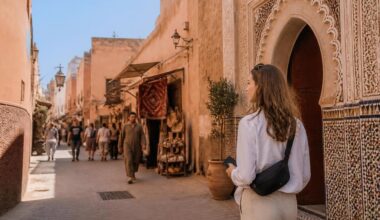
Traveling in Morocco during Ramadan is both practical and rewarding, but the daily rhythm changes. Visitors are not expected to fast. The respectful approach is to eat, drink and smoke discreetly in public during daylight, confirm opening hours and leave extra time around sunset.
Ramadan follows the Islamic lunar calendar, so its dates move earlier each year and the exact beginning is confirmed locally after moon sighting. Calendars currently place the expected start of Ramadan 2027 around 8 February, but travelers should treat that as tentative and verify closer to departure.
What Changes During Ramadan?
Most Moroccans who observe Ramadan do not eat or drink between dawn and sunset. Work, school and public services continue, but many people conserve energy during the day. Some businesses open later, close for part of the afternoon or pause before iftar, the meal that breaks the fast.
Tourist hotels, major attractions and transport continue operating. In large cities and established visitor areas, restaurants that serve non-fasting guests are usually available, although choices can be narrower outside tourist centers. A closed door at noon does not mean a neighborhood has shut down for the month; it may reopen after sunset.
Eating and Drinking as a Visitor
Non-Muslim visitors are not required to fast. You can eat in your hotel, in an open restaurant or in another place clearly serving customers. The United Kingdom’s official travel advice notes that eating, drinking, smoking and chewing gum in public during daylight may cause offence during Ramadan. Discretion matters most in small towns, residential streets and places where everyone around you is fasting.
- Carry water, but drink it discreetly rather than in a busy public space.
- Ask your accommodation which nearby restaurants serve lunch.
- Buy snacks before a long transfer, especially outside major cities.
- Do not expect alcohol service to follow normal schedules.
- Never photograph people breaking the fast without permission.
Iftar and the Evening Atmosphere
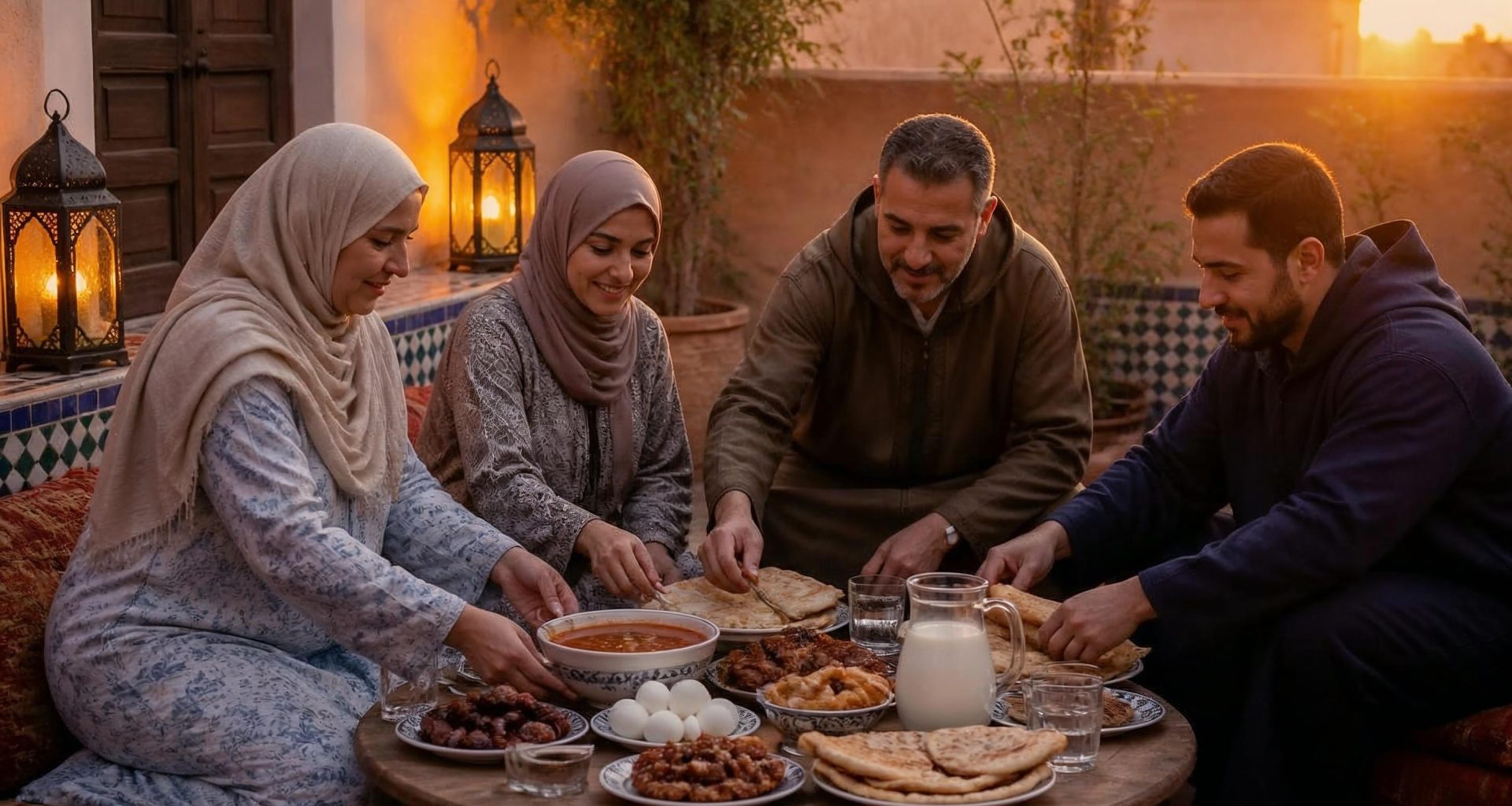
Shortly before sunset, streets may become unusually quiet as families return home. At the call to prayer, many people begin with dates and milk or water, followed by dishes such as harira, boiled eggs, breads, chebakia and savory pastries. Restaurants may offer a fixed iftar menu.
After the meal, city centers can become lively. Cafes fill, families walk outside and shops may stay open late. This evening energy is one of the most memorable parts of traveling during Ramadan, but it is a community routine rather than a performance. Observe politely and accept an invitation only if you can arrive on time and follow your host’s lead.
Transport and Sightseeing
Plan important journeys earlier in the day. Traffic can intensify before sunset as people hurry home, while taxis may be scarce around iftar. Museum, monument and ticket-office hours can be shortened, so verify the same day rather than relying on an old listing.
Intercity trains and coaches continue to run, but the period immediately before Eid al-Fitr is busy. Reserve long-distance seats early and keep food and water for after sunset if you are traveling with fasting passengers. Our Morocco transport guide and bus guide explain the main options.
Dress and Social Etiquette
Ramadan does not create a special tourist dress code, but modest clothing is especially considerate. Cover shoulders and knees in residential areas and religious surroundings. Keep public affection restrained, lower music near homes and mosques, and ask before photographing anyone.
Patience is useful late in the afternoon. Someone who seems tired or less talkative may have been fasting since dawn. A calm greeting and realistic expectations prevent small misunderstandings. Read our full Morocco etiquette guide before your trip.
Friday Prayer and Mosques
Friday midday prayer can bring larger crowds and temporary street congestion around mosques. Most mosques in Morocco are not open to non-Muslim visitors, with a few well-known exceptions. Do not enter through an open door unless access is clearly permitted, and avoid standing in the path of worshippers.
Eid al-Fitr
Eid marks the end of Ramadan. Families gather, people wear festive clothes and many businesses or public offices close. The exact day depends on local religious confirmation. If your trip overlaps Eid, arrange transport and essential purchases in advance, then expect a quieter morning and family-focused celebration.
Five Useful Darija Phrases
Use these simple phrases respectfully. For pronunciation and complete themed lessons, visit Speak Darija.
| English | Darija |
|---|---|
| Happy Ramadan | Ramadan mubarak |
| Where can I eat? | Fin nqder nakol? |
| What time is iftar? | Fash l-ftor? |
| Thank you | Shukran |
| The bill, please | L-hsab, afak |
A Simple Daily Plan
- Morning: visit monuments, museums and markets while energy is higher.
- Early afternoon: have lunch where service is clearly available and rest during the hottest hours.
- Late afternoon: avoid tight connections and busy roads before sunset.
- Sunset: give local staff time to break the fast.
- Evening: enjoy reopened shops, cafes and public squares.
PickYo’s Advice
Do not avoid Morocco because your dates fall in Ramadan. Prepare for adjusted hours, be discreet during daylight and keep evenings flexible. The month can offer a deeper view of family life, generosity and community, provided you treat it as lived culture rather than an attraction.
Related Guides
Information checked: 7 October 2026. Religious dates and opening hours can change; confirm locally before travel.
Sources