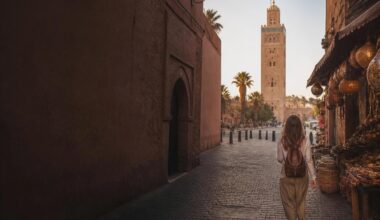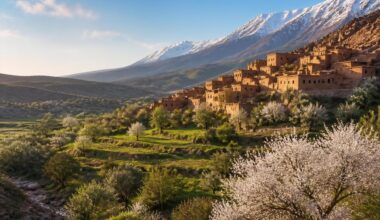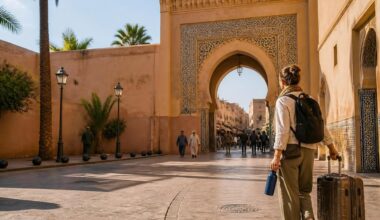
This Morocco travel guide is designed for first-time visitors who want realistic routes, practical advice and a clearer sense of how the country fits together. Morocco can feel wonderfully different within a single day. You might start the morning in a centuries-old medina, cross the Atlas Mountains in the afternoon and finish beneath a desert sky. That variety is the country’s greatest strength—but it is also why first-time visitors often try to fit too much into one trip.
The best Morocco itinerary is not the one with the most stops. It is the one that gives you enough time to experience each place without spending every day in transit.
This guide will help you choose the right route, understand how transport works, plan your budget and arrive with realistic expectations.
Morocco at a Glance
| Question | Short answer |
|---|---|
| How long should a first trip be? | Seven days is enough for one focused route; 10 to 14 days is more comfortable. |
| Best first-time combination | Marrakech, the Sahara and Fes—or Marrakech, the Atlas and Essaouira for less driving. |
| Best time for a varied trip | Spring and autumn generally offer the easiest temperatures, but the best month depends on the region. |
| Main language for daily life | Moroccan Arabic, commonly called Darija; Amazigh is also official and French is widely used. |
| Currency | Moroccan dirham, abbreviated MAD or DH. |
| Best transport between major northern cities | Train. |
| Best transport for the Sahara | Bus, rental car with a realistic plan, private transfer or organized multi-day trip. |
| Can you pay by card everywhere? | No. Carry dirhams for taxis, small cafés, souks and smaller businesses. |
How Many Days Do You Need in Morocco?
Five days: choose one region
With five days, resist the urge to cross the entire country. A good short trip could combine Marrakech with Essaouira or the High Atlas. Another option is Fes with Meknes and Volubilis. Trying to add both the Sahara and several imperial cities will make the trip feel like a transfer schedule.
Seven days: follow one clear route
A week can work well for Marrakech, a multi-day journey through the Atlas and southeast, the dunes near Merzouga and a finish in Fes. This is a spectacular route, but it includes long driving days.
Travelers who prefer a slower pace can spend three days in Marrakech, two nights in Essaouira and one or two nights in the Atlas foothills instead.
Ten days: the most useful first-trip length
Ten days gives you room to combine cities and landscapes without moving every morning. You can add Chefchaouen to a Marrakech–Sahara–Fes route, or include the Atlantic coast while keeping the trip manageable.
Fourteen days: variety without constant rushing
Two weeks gives you time for the imperial cities, the Sahara, the north or Atlantic coast and a few slower days. It is the better choice if you want both Chefchaouen and Essaouira, or if you enjoy spending more than one full day in each destination.
Where Should First-Time Visitors Go?
Marrakech
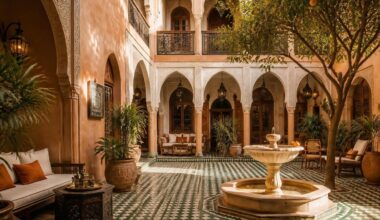
Marrakech is the easiest introduction to Morocco’s combination of historic architecture, food, gardens, riads and busy street life. The medina is intense, especially around Jemaa el-Fna and the souks, but the city also has calmer neighborhoods and excellent bases for day trips.
Allow at least two full days. Three days is better if you want to visit at a comfortable pace or include a hammam, food experience or short excursion.
Fes
Fes feels more traditional and less immediately polished for visitors than Marrakech. Its vast old city rewards patience, good walking shoes and, for many first-time visitors, a knowledgeable licensed guide for the first half-day.
Two full days is a sensible minimum. Add another day if you want to visit Meknes and Volubilis.
The Sahara near Merzouga
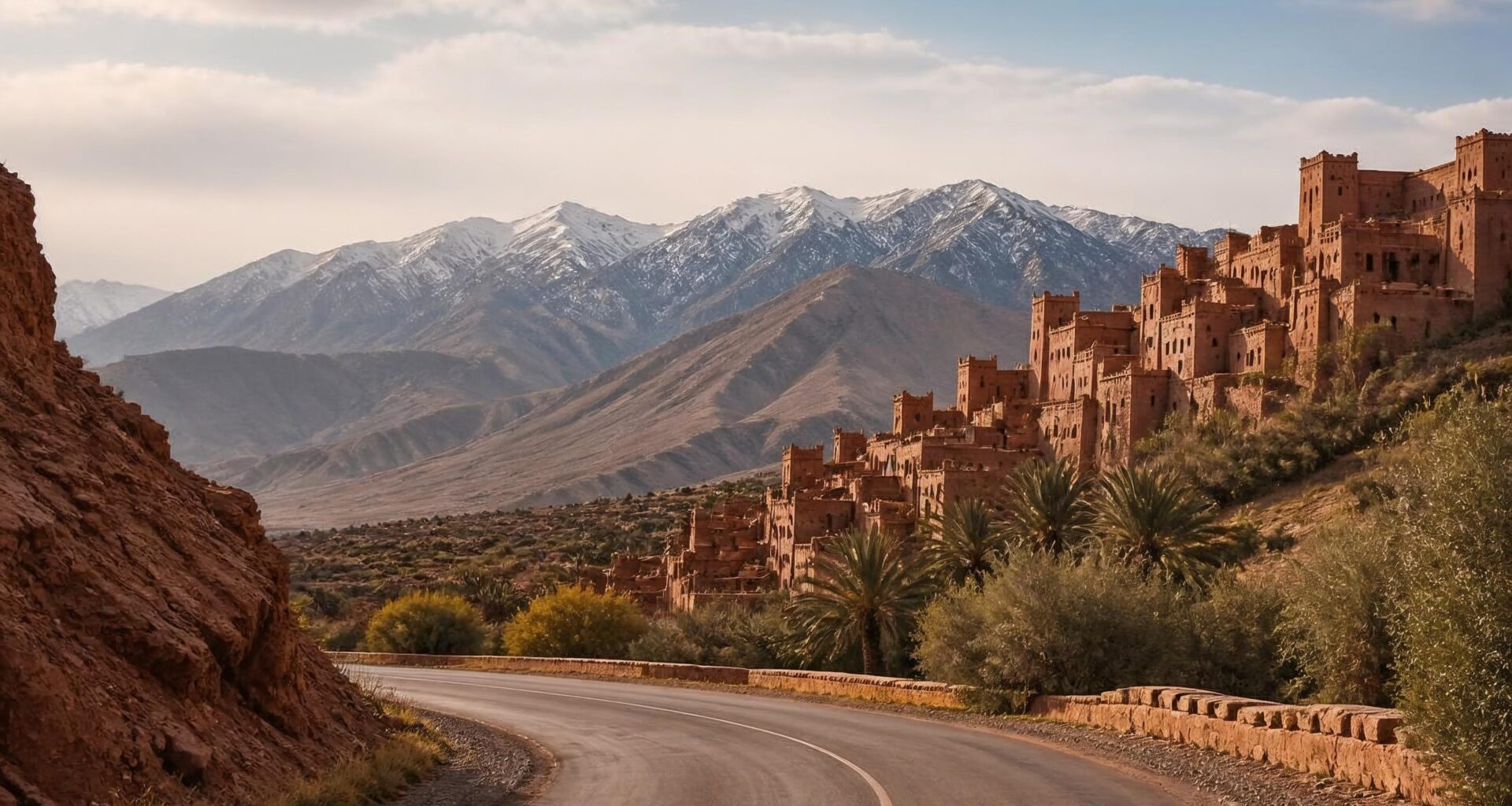
The dunes of Erg Chebbi are one of Morocco’s most memorable landscapes, but Merzouga is far from both Marrakech and Fes. The journey should be treated as part of the experience, with stops through mountain passes, valleys, oases and fortified villages.
Do not plan Merzouga as a day trip from Marrakech. A multi-day route is necessary, and finishing in Fes instead of returning to Marrakech can prevent unnecessary backtracking.
Chefchaouen
Chefchaouen is known for its blue-painted old town and Rif Mountain setting. It is photogenic and compact, but reaching it takes time because it is not on the rail network.
Staying one night creates a calmer experience than arriving and leaving with the midday excursion crowds.
Essaouira
Essaouira offers a gentler medina, Atlantic air, seafood and a slower rhythm. It is often treated as a day trip from Marrakech, but one or two nights allow you to enjoy the ramparts and harbor after many visitors have left.
Casablanca and Rabat
Casablanca is Morocco’s largest city and a major arrival point. For many travelers, its essential visit is the Hassan II Mosque, while Rabat offers a calmer capital experience with historic monuments and a walkable coastal atmosphere.
If your flight uses Casablanca Mohammed V Airport, consider whether the city fits your interests instead of adding it automatically.
Choose Your Route by Travel Style
| You want… | A sensible route |
|---|---|
| Iconic first trip | Marrakech → Atlas and southeast → Merzouga → Fes |
| Less driving | Marrakech → Atlas foothills → Essaouira |
| History and medinas | Casablanca or Rabat → Fes → Meknes and Volubilis → Marrakech |
| Northern Morocco | Tangier → Chefchaouen → Fes → Rabat |
| Coast and food | Marrakech → Essaouira → Agadir or Taghazout |
| Hiking and landscapes | Marrakech → Imlil/High Atlas → Aït Benhaddou → southeast |
When Is the Best Time to Visit Morocco?
There is no single best month for every part of Morocco.
Spring and autumn usually provide the most comfortable balance for city visits and overland travel. Summer can be extremely hot in Marrakech, Fes and the south, while Atlantic destinations such as Essaouira are often more comfortable. Winter days can be pleasant in southern Morocco, but nights in the mountains and desert can be cold.
Before choosing dates, ask what matters most:
- For medinas and sightseeing, prioritize moderate daytime temperatures.
- For the High Atlas, check trail conditions and local weather.
- For the Sahara, avoid planning around the idea that the desert is always hot; winter nights can be cold.
- For the Atlantic coast, expect wind to be part of the experience in several destinations.
- During Ramadan, opening hours and daily rhythms can change. Travel remains possible, but planning and cultural awareness matter.
Getting Around Morocco
Trains
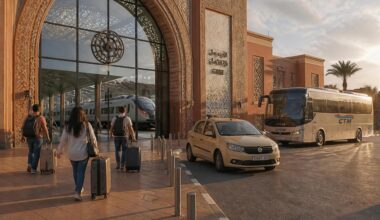
Trains are usually the easiest option between Tangier, Kenitra, Rabat, Casablanca, Fes and Marrakech. Morocco’s high-speed Al Boraq service connects Tangier with Kenitra, Rabat and Casablanca, while conventional services cover other major rail routes.
The rail network does not take you everywhere. Chefchaouen, Essaouira, Agadir and Merzouga require a bus, car or transfer for at least part of the journey.
Use the official ONCF website for current routes, schedules and tickets.
Buses
Long-distance buses extend the public transport network to many destinations without trains. CTM and Supratours are commonly used by travelers, but routes and departure points should be checked for the exact date.
Taxis
Morocco uses two broad taxi categories. Petit taxis operate within cities and usually have a city-specific color. Grand taxis travel longer urban or intercity routes and may be shared.
Rules and normal practices vary by city. Ask your accommodation about current local fares, confirm the price or meter arrangement before departure and keep small notes available.
Rental Cars
A rental car can be useful for flexible routes through the Atlas, Atlantic coast or southeast. It is less useful inside dense medinas, where parking and navigation add stress.
Build routes around daylight, realistic road speeds and rest stops. A distance that looks short on a map can take much longer on mountain roads.
Money in Morocco
The Moroccan dirham is the national currency. ATMs are widespread in cities and international cards are accepted by many hotels, larger restaurants, shops and fuel stations. Cash remains important for taxis, souks, tips, small cafés and rural areas.
Practical habits:
- Withdraw or exchange enough for the next day or two, not your entire trip.
- Keep small notes and coins separate for minor purchases.
- When a card terminal or ATM offers to convert the charge into your home currency, check whether declining that conversion gives your bank the better rate.
- Confirm the total before paying in markets, taxis and informal settings.
- Keep an emergency card and some cash separate from your main wallet.
Is Morocco Safe for Travelers?
Morocco receives large numbers of international visitors, and most trips are trouble-free. That does not mean every situation is risk-free.
The most common problems for visitors are often opportunistic theft, persistent sales pressure, misleading directions, inflated prices and harassment. Crowded medinas and transport hubs require the same awareness you would use in any busy destination.
Useful precautions include:
- checking your government’s latest travel advice before departure;
- using licensed transport and guides;
- avoiding isolated streets late at night when you do not know the area;
- keeping valuables discreet in crowds;
- agreeing on prices before accepting informal services;
- treating unsolicited help in tourist areas with polite caution;
- saving your accommodation address offline.
Solo women may encounter unwanted attention or comments. Experiences vary widely, but dismissing the issue is not useful. Choosing well-reviewed accommodation, planning evening transport and walking with confidence can reduce stress. A separate PickYo guide will cover this subject in detail.
What Should You Wear?
Morocco does not have one tourist dress code for every city and setting. Clothing that feels normal in a beach resort may attract more attention in a traditional neighborhood or rural town.
Lightweight, loose clothing that covers the shoulders and reaches around the knees or below is a practical default for all travelers. It protects from the sun, works in a range of social settings and can reduce unwanted attention. Bring layers for cool evenings and air-conditioned transport.
Visitors should check the specific rules for religious sites open to non-Muslims. A scarf can be useful for sun, dust and occasional site requirements, but women do not generally need to cover their hair while traveling around Morocco.
Food, Water and Eating Out
Moroccan meals are one of the strongest reasons to travel through the country. Tagines vary by region and household, couscous has cultural importance beyond being a restaurant dish, and breakfasts often include several breads, pancakes, olive oil, honey and preserves.
Try a mix of established restaurants, neighborhood cafés and food experiences with strong hygiene practices. Busy stalls with high turnover are generally easier to assess than quiet displays of prepared food.
If you have allergies, do not rely on a single translated word. Carry a written explanation, learn a short spoken phrase and confirm the ingredients more than once. PickYo’s Darija allergy guide provides the complete phrase set with pronunciation audio.
Useful Darija for Your First Day
Darija is the Moroccan form of spoken Arabic. A few phrases will not remove every language barrier, but they can make ordinary interactions warmer and clearer.
| English | Darija in Latin letters | Use |
|---|---|---|
| Hello | Salam | General greeting |
| Thank you | Shukran | Thanks |
| No, thank you | La, shukran | Declining politely |
| How much is this? | Bshhal hada? | Shops and souks |
| Where is…? | Fin kayn…? | Asking directions |
Want to hear the pronunciation and learn more phrases? Continue with Darija for Travelers, where the complete lessons and human-recorded audio are available free online.
Common First-Trip Mistakes
Trying to see the whole country in one week
Morocco is larger and slower to cross than many first-time visitors expect. Fewer bases usually produce a better trip.
Treating Merzouga as a quick Marrakech excursion
The Sahara route requires several days. If your schedule is short, the Atlas or Atlantic coast may be a better choice.
Booking every transfer without checking the full route
A cheap flight into one city can create expensive backtracking. Plan the route before booking separate accommodation and transport.
Assuming cards work everywhere
Cash remains necessary in many everyday situations.
Accepting help without clarifying the arrangement
Most people who help visitors are simply helpful. In heavily visited areas, however, an unsolicited guide or direction may become a paid service. Clarify politely before following.
Following a map blindly inside a medina
GPS can be unreliable in narrow covered streets. Save the name and phone number of your accommodation, note a recognizable landmark and ask staff for the best return route.
A Simple Planning Checklist
Before booking
- Choose the trip length and arrival airport.
- Decide whether the Sahara is a priority.
- Count the long transfer days.
- Check seasonal conditions by region.
Before departure
- Verify passport and visa requirements for your nationality on official sources.
- Review current travel advice and insurance coverage.
- Download offline maps and transport details.
- Keep copies of essential documents securely available.
- Learn five basic Darija phrases.
After arrival
- Obtain some dirhams and smaller notes.
- Confirm transport prices before departure.
- Ask your accommodation about local taxi practice.
- Slow down: the first medina feels easier after the first day.
Final Advice
For a first trip, Morocco rewards restraint. Choose a route that connects naturally, accept that some days will be slow and leave room for a long lunch, a conversation or an unexpected stop.
The country’s variety will still be there for a second visit.
Official Resources