What to wear in Morocco: A Practical Packing Guide
What to wear in Morocco is less about following a rigid dress code and more about staying comfortable while respecting the setting around you. Morocco is diverse: an outfit that feels natural at a beach hotel may feel out of place in a rural village, a mosque courtyard or a conservative neighborhood.
For most travelers, the easiest formula is breathable clothing, comfortable shoes and a light layer that covers the shoulders and knees when needed. You do not need to dress like a local, and you do not need an entirely new wardrobe. A few adaptable pieces will take you from a hot medina afternoon to a cool rooftop dinner.
This guide explains what women and men can wear, how the climate changes by region, and what to pack for cities, beaches, mountains and the Sahara.
Is There a Dress Code in Morocco?
There is no single national dress code for tourists. In major destinations such as Marrakech, Casablanca, Rabat, Essaouira and Agadir, you will see everything from traditional djellabas to jeans, dresses and modern streetwear.
However, Morocco is a Muslim-majority country and standards become more conservative in religious spaces, traditional neighborhoods and smaller towns. Clothing that covers the shoulders, chest and knees is a reliable baseline. It is practical for sun protection too.
The goal is not to police your wardrobe. It is to help you feel comfortable, attract less unwanted attention and move easily between different environments.
What Women Should Wear in Morocco
Women travelers can wear trousers, jeans, long skirts, midi dresses, T-shirts and blouses. Loose linen trousers with a breathable top are particularly useful in warm weather.
You do not normally need to cover your hair. Carrying a lightweight scarf is still helpful: it can protect you from sun and dust, add warmth after sunset and provide extra coverage where appropriate.
Very short shorts, extremely low necklines and transparent fabrics may attract attention outside resorts. If you enjoy sleeveless clothing, keep a light overshirt or scarf in your day bag.
What Men Should Wear in Morocco
Men are comfortable in T-shirts, polo shirts, button-down shirts, jeans, chinos and longer shorts. In medinas and smaller towns, shorts that reach close to the knee tend to feel more appropriate than very short sports shorts.
For a smart dinner, a neat shirt, clean trousers and closed shoes are sufficient. Formal clothing is rarely necessary unless your accommodation or event specifies it.
Marrakech, Fes and Other Medina Cities
Medinas involve long walks, uneven paving, steps, crowds and occasional dust. Choose shoes with grip that you have already worn in. Sandals can work in summer, but thin flip-flops offer little protection from rough ground.
Loose trousers, a midi skirt or a below-the-knee dress work well with a breathable top. Add a light layer for air-conditioned interiors and evening terraces. A crossbody bag that closes securely is more practical than an open tote.
For more city-planning advice, read our Marrakech travel guide and Morocco travel tips for first-time visitors.
Beaches and Resort Areas
Swimwear is normal at hotel pools and tourist beaches. Away from the water, put on a cover-up, T-shirt, dress or shorts before entering cafés, shops or town streets.
Beach towns vary. Agadir’s resort zone is relaxed, while smaller fishing towns may feel more conservative. Observe the setting and keep an easy cover-up nearby.
The Sahara Desert
Desert clothing should protect you from sun, wind, sand and temperature changes. Wear loose long trousers, a breathable long-sleeved shirt, sunglasses and a hat or scarf. Closed shoes are useful for walking around camp and on rocky ground.
Even when the afternoon is hot, desert nights can feel cold. Pack a fleece or warm layer, especially outside summer. Avoid relying on a single thin outfit for an overnight excursion.
Atlas Mountains and Hiking
Mountain weather changes quickly and is often much cooler than Marrakech. Use layers: a moisture-managing base, a warm mid-layer and a wind-resistant outer layer. Proper walking shoes matter more than fashion.
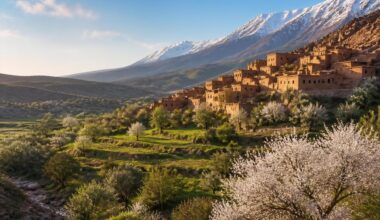
In villages, modest clothing is considerate. Long trousers and tops that cover the shoulders are easy choices. In winter and at altitude, you may need genuinely warm clothing, not only a light jacket.
What to Wear by Season
Spring: March to May
Spring is usually comfortable, but mornings and evenings can be cool. Pack light trousers, breathable tops, a cardigan or jacket and a compact rain layer.
Summer: June to August
Choose loose, light-colored fabrics such as linen or cotton. Long sleeves can feel cooler than bare skin in strong sun. A hat, sunglasses and high-SPF sunscreen are essential. Inland cities can be extremely hot, while Atlantic evenings may be breezy.
Autumn: September to November
Early autumn can still feel like summer. Later in the season, add warmer evening layers and a light waterproof jacket. This is a good season for flexible outfits rather than heavy clothing.
Winter: December to February
Do not assume Morocco is warm everywhere. Days can be sunny, but mornings, nights and unheated interiors may feel cold. Pack a warm jacket, knitwear and closed shoes. Mountain and desert travel requires extra layers.
For a regional overview, see our guide to the best time to visit Morocco.
Religious Sites and Ramadan
Many mosques in Morocco are not open to non-Muslim visitors. Where tourists are admitted to a religious complex, museum or sacred site, dress conservatively: cover shoulders and knees and avoid transparent or very tight clothing.
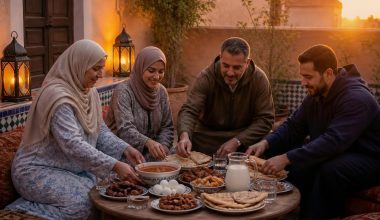
During Ramadan, tourists are not expected to fast, but slightly more conservative clothing and discreet daytime behavior show respect. Tourist restaurants may operate normally, while local schedules can shift.
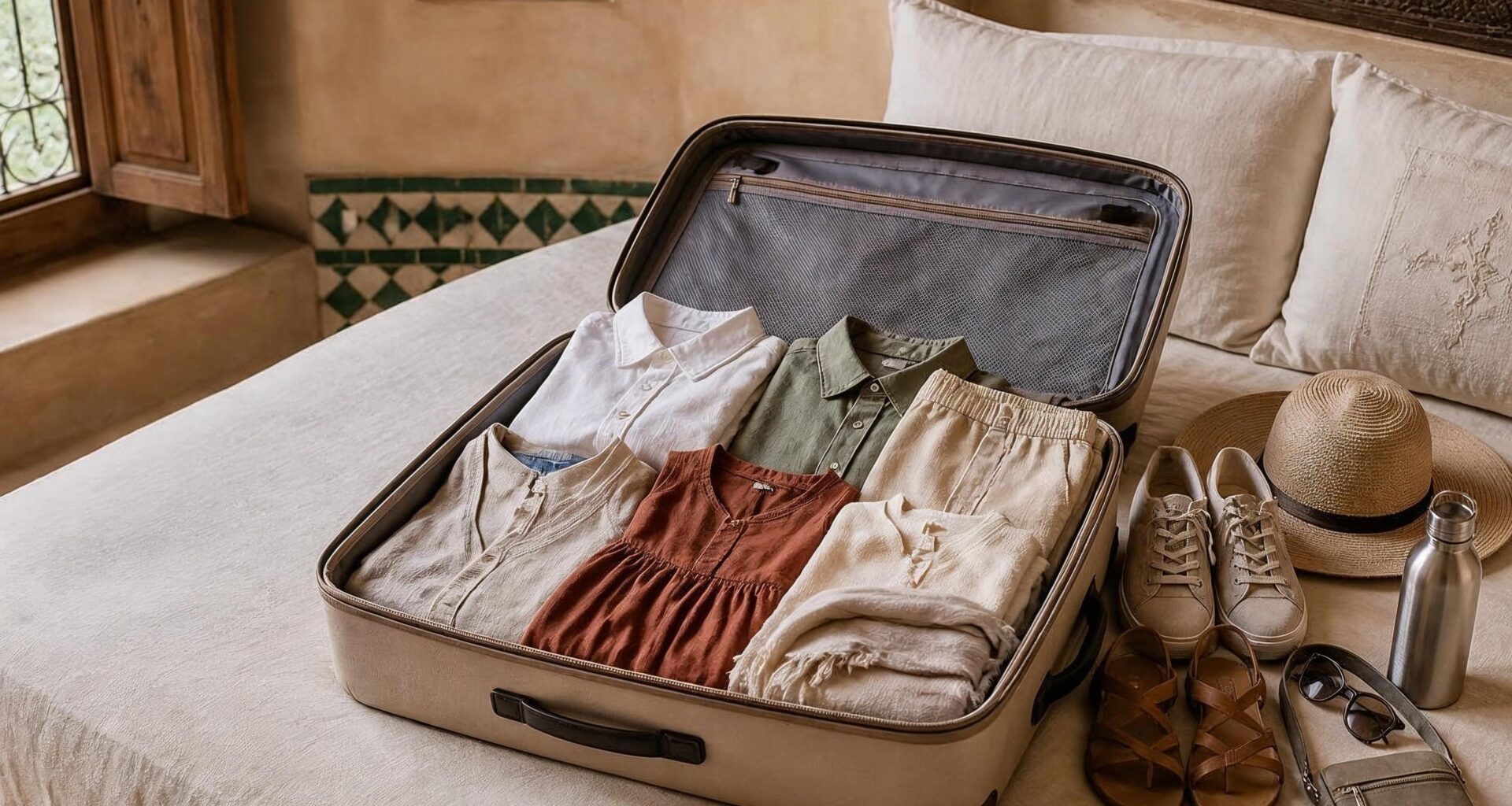
A Simple Morocco Packing List
- Two or three breathable tops
- One light long-sleeved shirt
- Loose trousers or jeans
- A midi skirt or below-the-knee dress if you wear them
- Comfortable walking shoes
- Sandals with a secure strap
- A lightweight scarf
- A cardigan, fleece or light jacket
- A warmer layer for winter, mountains or desert nights
- Swimwear and a cover-up
- Sun hat, sunglasses and sunscreen
- A small secure day bag
Avoid filling your suitcase with special “Morocco outfits.” Clothes that you already feel comfortable wearing will look more natural and be more useful.
Buying Clothes in Morocco
Morocco is a good place to buy a scarf, leather slippers or a light garment, but do not depend on finding technical hiking gear or an exact international size at the last minute. Try items on when possible and check the stitching and material before agreeing on a price.
Five Useful Darija Phrases for Clothes Shopping
| English | Darija in Latin letters |
|---|---|
| Where is the fitting room? | Fin kayna cabine? |
| Do you have a larger size? | Wash 3ndkom taille kbar? |
| Do you have a smaller size? | Wash 3ndkom taille sghir? |
| I am just looking. | Ghir kan-shuf. |
| Thank you. | Shukran. |
Want to hear how Moroccan Darija sounds? Visit Darija for Travelers for free situation-based lessons with human-recorded audio.
Frequently Asked Questions
Can tourists wear shorts in Morocco?
Yes. Longer, loose-fitting shorts are usually the easiest option in cities. Very short shorts are better kept for beaches and resort areas.
Do women need to cover their hair?
No. Tourists are not normally expected to cover their hair. A scarf is useful but not compulsory in everyday public spaces.
Can I wear leggings?
Leggings are common as activewear, but many travelers feel more comfortable pairing them with a longer shirt or tunic in medinas and conservative areas.
What shoes are best for Morocco?
Supportive walking shoes with good grip are the most useful. Medina streets can be uneven, and sightseeing days often involve more walking than expected.
Should I pack warm clothes?
Yes if you travel in winter, visit the Atlas Mountains or spend a night in the desert. Moroccan sunshine does not guarantee warm nights or heated interiors.
Final Advice
Pack for comfort, climate and context. Breathable layers, covered shoulders and knees when appropriate, and dependable walking shoes solve most wardrobe questions. You can still express your style without feeling overexposed or overdressed.
Information checked on 5 October 2026. Local expectations and weather conditions can vary, so review current guidance before departure.
Official Sources